Choosing yarn is half the pure joy of starting any new crochet project! Stepping into a local yarn shop or browsing online collections filled with warm pastel skeins, velvety chenille textures, and soft natural fibers sparks immediate inspiration.
However, selecting the wrong yarn weight or fiber for a pattern can result in a sweater that sags, a blanket that feels scratchy, or a plushie that won’t hold its shape. In this complete guide, we break down standard yarn weight numbers, compare fiber characteristics, explain dye lot matching, and share trusted store recommendations and links where you can buy quality yarn.
🔢 The Standard Yarn Weight System (0 to 7)
The Craft Yarn Council standardizes yarn into 8 primary weight categories. Matching the pattern’s specified weight category ensures your finished project turns out the correct size:
| Weight # | Category Name | Typical Hook Size | Ideal Projects | Drape & Feel |
|---|---|---|---|---|
| 0 | Lace | 1.5 – 2.25 mm | Fine lace shawls, doilies, micro amigurumi | Ultra delicate & airy |
| 1 | Super Fine / Fingering | 2.25 – 3.25 mm | Hand-crocheted socks, heirloom baby booties | Lightweight & flexible |
| 2 | Fine / Sport | 3.25 – 3.75 mm | Lightweight cardigans, spring shawls | Soft drape |
| 3 | Light / DK (Double Knitting) | 3.75 – 4.5 mm | Baby blankets, light sweaters, lapghans | Smooth, balanced drape |
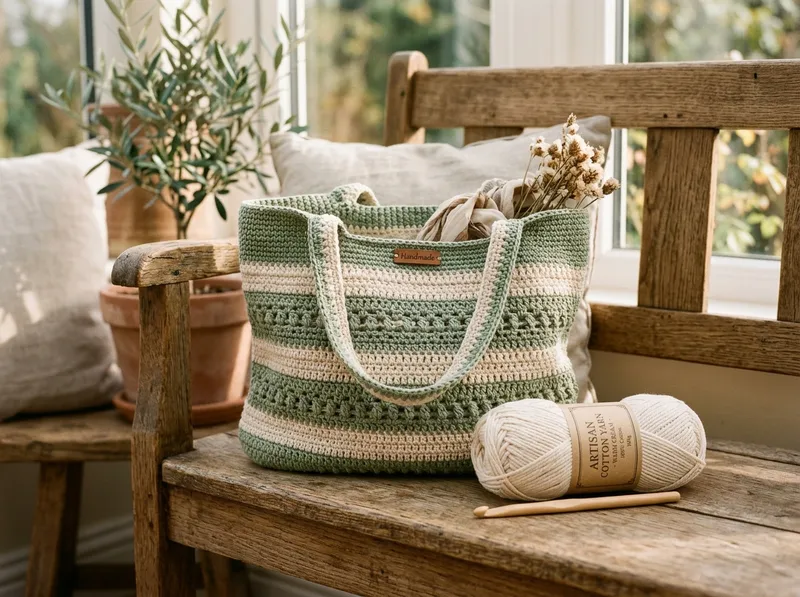
| 4 | Medium / Worsted | 4.5 – 5.5 mm | Market bags, amigurumi, beanies, blankets | Sturdy & structured |
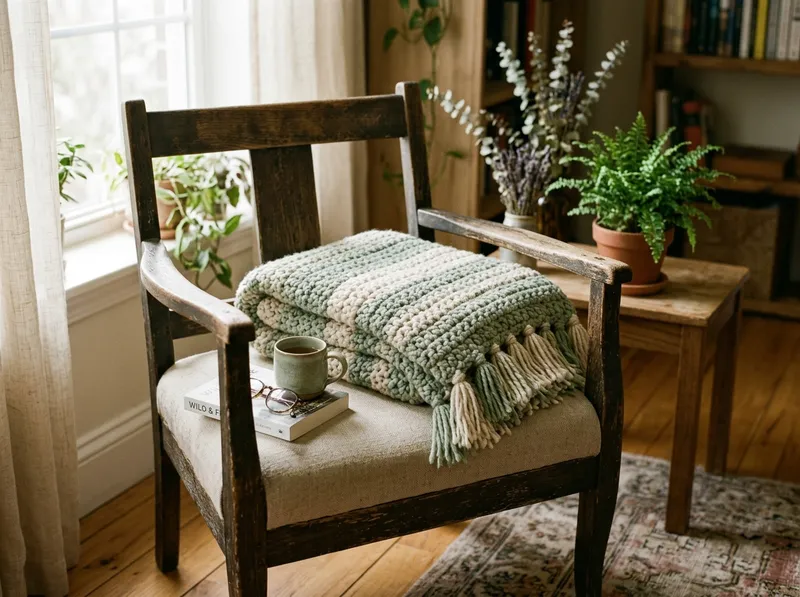
| 5 | Bulky / Chunky | 5.5 – 6.5 mm | Quick throw blankets, winter cowls, plushies | Thick & warm |
| 6 | Super Bulky | 8.0 – 11.0 mm | Thick cozy blankets, floor poufs, baskets | Heavy & plush |
| 7 | Jumbo | 15.0 mm+ | Arm-knitting rugs, giant pet beds | Extra thick statement decor |
🧶 Fiber Types Compared: Cotton vs. Acrylic vs. Wool vs. Blends
Understanding fiber content helps you choose yarn that fits your project’s function (e.g., washability vs. warmth):
1. 100% Cotton & Linen (Plant Fibers)
- Characteristics: Crisp stitch definition, cool to touch, zero pilling, highly absorbent.
- Best For: Market tote bags, kitchen dishcloths, summer tops, baby items.
- Care: Machine washable, durable.
2. Premium Acrylic (Synthetic Fiber)
- Characteristics: Budget-friendly, lightweight, moth-resistant, available in hundreds of vivid shades.
- Best For: Beginner practice swatches, colorful granny square blankets, winter beanies.
- Care: Extremely easy care, machine washable & dryable.
3. Merino Wool & Alpaca (Animal Fibers)
- Characteristics: Luxuriously warm, natural elasticity/memory, breathable, soft against skin.
- Best For: Heirloom blankets, cozy winter sweaters, scarves, cold-weather garments.
- Care: Hand wash cold, lay flat to dry to prevent felt shrinkage.
4. Velvet & Chenille Plush Yarns
- Characteristics: Ultra-soft plush feel with a high velvet pile.
- Best For: Amigurumi plushies, cuddly baby blankets, cozy throw pillows.
🎨 Why Dye Lot Numbers Matter
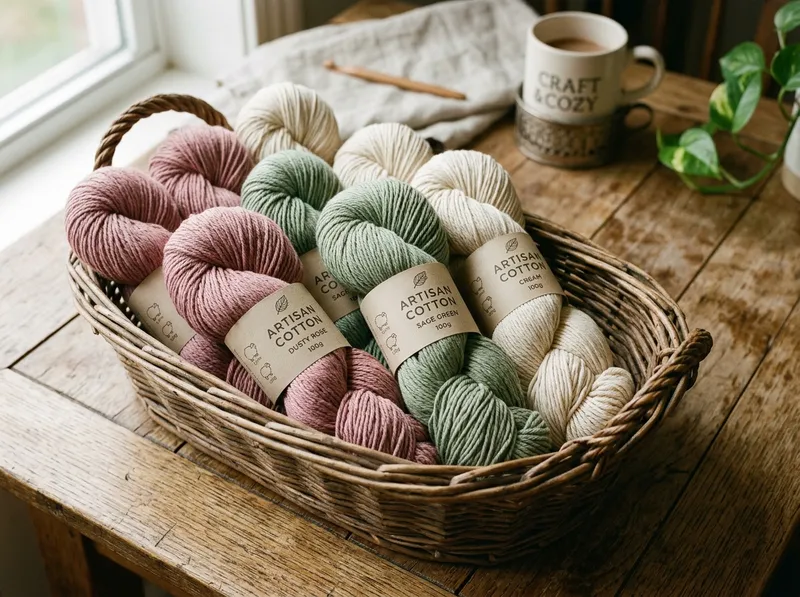
When yarn is dyed at the factory, each batch receives a unique Dye Lot Number. Skeins from different dye lots might look identical under store fluorescent lights, but show subtle color variations when crocheted into a large blanket or sweater.
[!IMPORTANT] Always Match Dye Lots! When purchasing yarn for a large project, check the paper skein band to ensure every skein shares the exact same Dye Lot Number. If you’re unsure how much yarn you need, buy 1 extra skein from the same dye lot!
🛒 Trusted Retailers & Recommended Craft Stores
Here are trusted craft retailers with direct links to explore yarn and tool collections for every budget:
1. 🧶 LoveCrafts — Premier Global Yarn & Craft Store
- Best For: Massive selection of top brand yarns (Paintbox Yarns, Rico Design, Scheepjes, Drops, Debbie Bliss, King Cole) and specialty craft supplies.
- Why We Love It: Filter by yarn weight, fiber type, and needle size with fast worldwide delivery.
2. 📦 Amazon — MECHEER Beginner Crochet & Starter Kit
- Best For: Complete beginner starter kits equipped with ergonomic rubber hooks, stitch markers, and craft accessories.
- Why We Love It: High-value starter set with fast prime delivery.
💡 How to Calculate Skein Yardage Math
[!TIP] Buy by Yardage/Meters, NOT Skein Count! Different yarn brands package skeins differently. A 100g skein of cotton might contain 180 yards, while a 100g skein of wool might contain 220 yards. Always check your pattern’s total required yardage or meters and divide by the length printed on your yarn skein wrapper!
❓ Frequently Asked Questions (FAQs)
Can I substitute acrylic yarn for wool in a sweater pattern?
Yes! As long as the yarn weight category (e.g., Weight #4 Worsted) matches the pattern’s gauge swatch, you can substitute acrylic for wool. Note that acrylic will drape slightly differently and won’t be quite as warm as natural wool.
How do I stop plush velvet yarn from shedding?
When using plush chenille or velvet yarn, lightly singe the loose cut end of the yarn tail with a lighter flame for 1 second, or tie a small knot at the tip to lock the chenille pile fibers in place!
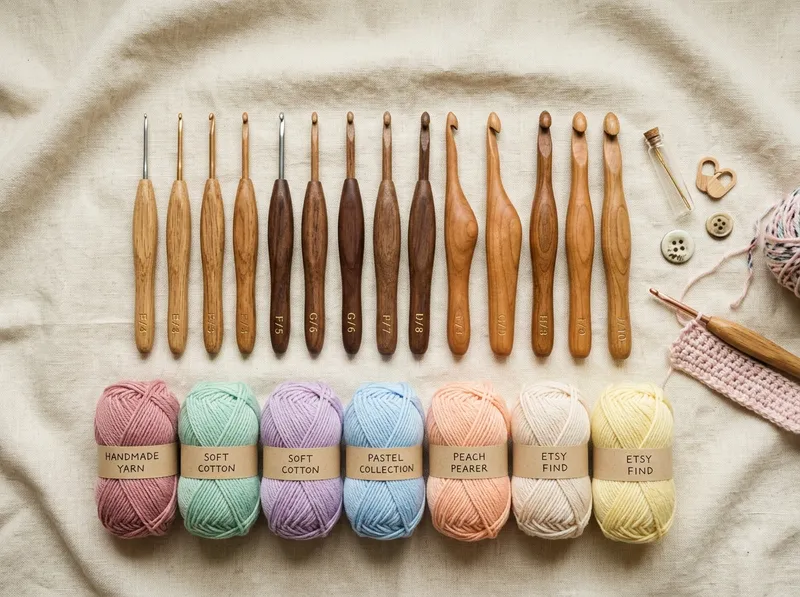
Related Resources: Explore our Crochet Hook Sizes Conversion Guide and Essential Beginner Crochet Accessories Kit.